Cart
No products in the cart.
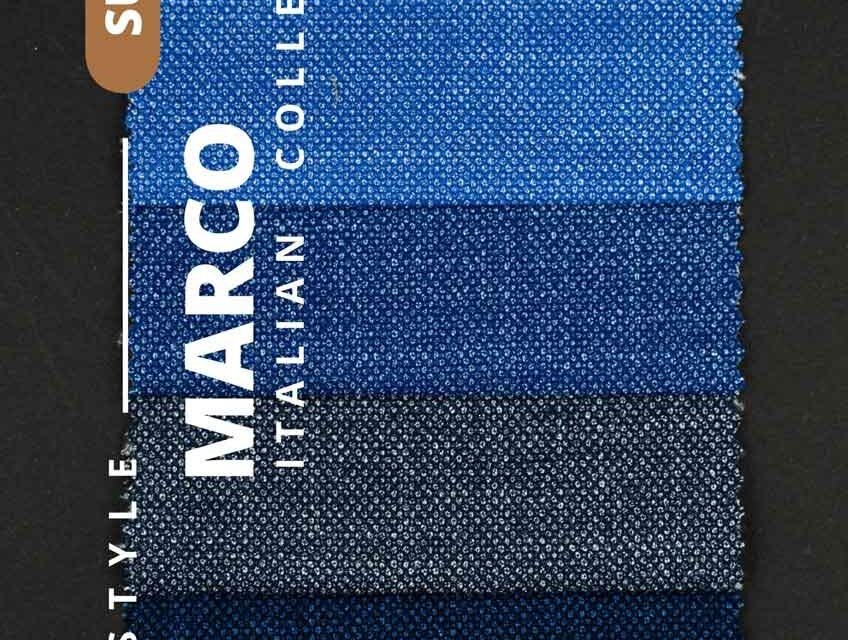
When shopping for a premium business suit, many customers are attracted to the elegance of wool.
However, there is one common concern among Malaysians:
“Isn’t a wool suit too hot to wear in Malaysia?”
Surprisingly, not every wool suit is designed for cold weather.
Some wool fabrics are developed specifically for warm climates, offering breathability, moisture management, lightweight construction and excellent wrinkle recovery.
In Malaysia, where tropical temperatures and high humidity are part of daily life, choosing the right wool suit requires more than simply looking at the fabric label.
You may encounter terms such as merino wool, pure wool, cashmere, Super 120’s wool, tropical wool and wool blends.
But what exactly makes them different?
And more importantly, which type of wool suit offers the best comfort, durability and value for Malaysian professionals?
At Cufflapel Malaysia, we believe choosing the right suit fabric should begin with your lifestyle, working environment and comfort requirements.
Merino wool comes from Merino sheep, known for producing fine wool fibres that can be woven into smooth, comfortable suiting fabrics.
A merino wool suit is popular for business attire because it offers an attractive combination of natural breathability, elegant drape, resilience and moisture management.
Unlike the thick wool commonly associated with winter coats, merino wool can be manufactured into lightweight fabrics suitable for tropical climates.
Advantages of a merino wool suit:
Naturally breathable and capable of managing moisture vapour.
Available in lightweight tropical suiting constructions.
Soft and comfortable, depending on fibre fineness.
Naturally resilient with good wrinkle recovery.
Drapes elegantly when properly tailored.
Suitable for office wear, business meetings and formal occasions.
Can provide comfort when moving between outdoor heat and air-conditioned environments.
Disadvantages:
Generally more expensive than basic polyester-blend suiting.
Fine wool fabrics may require careful handling.
Dry cleaning or specialist care may be necessary.
Heavy or tightly woven merino wool can still feel hot in Malaysia.
Our recommendation: A lightweight merino wool suit with a breathable weave is one of the strongest all-round choices for professionals in Kuala Lumpur, Petaling Jaya and other Malaysian cities.
Cashmere is a luxury natural fibre obtained from the fine undercoat of cashmere goats.
It is prized for its exceptional softness, elegant appearance and insulating properties.
Cashmere is different from merino wool, which comes from sheep.
A cashmere suit can feel luxurious, but pure cashmere is not necessarily the most practical choice for Malaysia’s tropical weather.
Cashmere-rich fabrics are commonly associated with softness, warmth and refined winter tailoring.
Advantages of a cashmere suit:
Exceptionally soft hand feel.
Luxurious appearance.
Elegant drape when the fabric is appropriately constructed.
Excellent insulation for cooler conditions.
Suitable for premium jackets, formal occasions and international travel.
Disadvantages:
Typically more expensive than conventional wool.
Can be more susceptible to abrasion and pilling.
Generally less practical for heavy daily wear.
Warm, dense cashmere fabrics may be uncomfortable outdoors in Malaysia.
Requires careful maintenance.
A pure cashmere suit may be an attractive luxury purchase, but it is not automatically the best option for daily office wear in Kuala Lumpur.
For customers who appreciate cashmere, a lightweight wool-cashmere blend may provide a more practical balance of softness, structure and wearability.
A wool blend suit combines wool with one or more additional fibres.
Common blends include:
Wool and polyester.
Wool and viscose.
Wool and silk.
Wool and cashmere.
Wool and linen.
Wool and mohair.
Wool and elastane.
Every combination serves a different purpose.
For example, adding polyester may help reduce cost and improve certain durability or wrinkle-resistance characteristics.
A wool-silk blend may provide a softer appearance and a refined surface finish.
A wool-linen blend can offer an airy texture suitable for warmer weather.
Meanwhile, wool-mohair fabrics are often valued for their crisp appearance and resilient structure.
Advantages of a wool blend suit:
Wide selection of prices and fabric constructions.
Can combine the characteristics of several fibres.
Available in lightweight, flexible and durable options.
Suitable for corporate uniforms and regular business wear.
Some blends require less maintenance than delicate luxury fabrics.
Disadvantages:
Performance varies significantly with fibre percentages.
High synthetic-fibre content may affect moisture management and breathability.
Some blends are less refined in appearance than premium pure wool.
The fabric label alone cannot guarantee comfort or quality.
Our recommendation: For customers searching for an affordable wool suit in Malaysia, a well-selected wool blend can offer good value, especially when durability, cost and appearance are equally important.

| Feature | Merino Wool | Cashmere | Wool Blends |
|---|---|---|---|
| Fibre origin | Merino sheep | Cashmere goats | Wool mixed with other fibres |
| Softness | Soft to very soft | Exceptionally soft | Depends on composition |
| Breathability | Naturally good | Depends on fabric construction | Varies significantly |
| Warmth | Varies by weight and weave | Often highly insulating | Depends on composition |
| Durability | Generally good | Often more delicate | Varies |
| Wrinkle recovery | Generally good | Depends on construction | Varies |
| Cost | Medium to premium | Usually luxury | Budget to luxury |
| Malaysian daily wear | Excellent in tropical weaves | Less practical in warm, dense fabrics | Good with appropriate blends |
| Best use | Business and formal suits | Luxury and cooler conditions | Office, uniforms and everyday wear |
Important: Fibre quality, fabric weave, weight, finishing and garment construction can influence comfort more than fibre composition alone.
Malaysia has a tropical climate, and office professionals often move between very different environments.
You may leave an air-conditioned office, walk outdoors in the afternoon, enter a warm car and attend a formal dinner in another air-conditioned building.
The ideal wool suit needs to perform across these conditions.
A common mistake is choosing wool fabric based entirely on softness.
Although softness contributes to comfort, it does not necessarily indicate whether a garment will feel cool.
For regular office use, consider a lightweight merino wool fabric in a breathable, relatively open weave.
A fabric weight around 220–280 gsm can be a useful starting range, although appropriate weight depends on weave, garment design and individual preference.
Lightweight tropical wool offers several important advantages.
Breathability: Moisture vapour can move through suitably constructed wool fabric, helping reduce clamminess.
Wrinkle recovery: Wool fibres have natural elasticity, allowing many suit fabrics to recover from everyday creasing.
Professional appearance: Wool provides a refined drape suitable for tailored jackets and trousers.
Versatility: A lightweight wool suit can be worn in air-conditioned offices while remaining more manageable during short periods outdoors.
For customers who prioritize breathability and resistance to creasing, high-twist wool deserves particular attention.
High-twist fabrics are manufactured using yarns twisted more tightly before weaving.
They are often produced with an open structure that permits airflow while maintaining a crisp, tailored appearance.
Examples include tropical worsted and fresco-style wool fabrics.
These fabrics are especially suitable for Malaysian professionals who travel regularly, attend outdoor business events or spend long periods wearing a suit.
For customers working with a more controlled budget, certain lightweight wool blends may be practical.
A wool-polyester blend can be an economical option for corporate uniforms and frequent wear.
A wool-linen blend may provide a more relaxed, breathable alternative.
A wool-mohair blend can offer a crisp silhouette with good crease resistance.
The best wool blend suit depends on its exact composition, fabric construction and intended purpose.
One of the most overlooked factors when purchasing a wool suit is fabric weight.
Two fabrics may both be labelled 100% merino wool but feel completely different when worn.
| Fabric weight | General characteristics | Malaysian suitability |
|---|---|---|
| Below 220gsm | Very lightweight; may need extra attention to drape and durability | Selected hot-weather uses |
| 220–250gsm | Lightweight and potentially comfortable | Excellent starting range |
| 250–280gsm | Balanced structure and comfort | Very good for business suits |
| 280–320gsm | More substantial fabric; comfort depends on weave | Good for air-conditioned offices |
| Above 320gsm | Often heavier and more insulating | Usually less ideal outdoors |
These are approximate guidelines rather than universal ratings. Some open-weave high-twist fabrics above 280gsm can feel cooler than tightly woven fabrics of lower weight.
Also note that fabric suppliers may quote weights in grams per square metre (gsm) or grams per linear metre. These measurements are not interchangeable.
For Malaysia, an appropriate weave and garment construction are at least as important as choosing the lightest possible wool suit.
Many customers assume that a 100% wool suit is automatically superior to a wool blend suit.
That is not always true.
A 100% merino wool suit may offer excellent natural moisture management, softness and drape.
However, a carefully engineered wool blend may be more appropriate when the customer prioritizes price, crease resistance, particular textures or easy movement.
Consider three examples.
100% Merino Wool: Recommended for professionals who value natural fibres, refined appearance and versatile formal tailoring.
Wool-Polyester Blend: A practical consideration for budget-conscious customers, corporate uniform programmes and frequent garment use, although breathability depends on the composition and weave.
Wool-Elastane Blend: May be suitable for customers who prefer additional stretch and freedom of movement.
The correct approach is to compare fabric samples in person, understand the composition and assess comfort rather than automatically treating a higher wool percentage as a guarantee of better performance.
When choosing a premium wool suit, customers may encounter terms such as Super 100’s, Super 120’s, Super 150’s or even Super 180’s.
These designations refer to fineness classifications used in wool suiting. They do not directly measure the weight of the finished fabric or guarantee its quality.
Generally, higher Super numbers indicate finer wool fibres within the relevant classification system.
However, finer fibres do not necessarily make a suit more durable, breathable or suitable for tropical conditions.
For Malaysian customers, the ideal fabric should balance softness, structure, ease of maintenance and wearing frequency.
A well-made Super 100’s or Super 120’s wool suit may be a sensible option for frequent business wear.
Extremely fine luxury fabrics can be attractive for special occasions but may require additional care.
The highest Super number is not always the best choice for a Malaysian wool suit.
Even a premium lightweight wool fabric can feel uncomfortable if the garment is constructed with excessive internal layers.
Suit construction influences breathability, weight and flexibility.
A fused wool suit uses bonded interlining to provide structure.
This can be economical and practical, although comfort depends on the interlining and overall garment design.
A half-canvas wool suit generally uses floating canvas in the chest and lapel area, combined with fused lower sections.
It can provide a natural chest structure and flexible appearance.
A full-canvas wool suit uses a floating canvas structure throughout the jacket front.
This is associated with traditional craftsmanship, but full canvas does not automatically make a jacket cooler.
For Malaysian weather, the lining arrangement can be particularly important.
A half-lined jacket uses less lining fabric than a fully lined jacket, potentially allowing greater airflow.
An unlined wool suit jacket may feel lighter and less restrictive when properly designed.
Customers should also discuss lining materials, shoulder padding and internal construction with their tailor.
At Cufflapel, we encourage customers to consider the complete garment rather than evaluating the outer fabric in isolation.
Recommended: Lightweight merino wool or selected wool blends.
Professionals who wear suits daily need fabrics that combine wrinkle recovery, comfort and a presentable appearance.
Navy blue, charcoal grey and medium grey remain versatile choices.
Recommended: Merino wool, lightweight wool-silk blends or refined wool blends.
Wedding suits should balance elegance with comfort, particularly when ceremonies include outdoor photography or extended periods of standing.
Recommended: High-twist tropical wool or resilient wool blends.
Travel suits benefit from breathable construction and good wrinkle recovery.
Recommended: Premium merino wool or carefully selected wool-cashmere blends.
Customers seeking softness and refinement may appreciate luxury fabrics, particularly when most of their day is spent indoors.
Recommended: Durable, easy-care wool blends.
Companies often need to balance consistency, comfort, garment maintenance and procurement budgets.
The ideal fabric should be selected according to employees’ working conditions rather than appearance alone.
Malaysia’s humidity can influence how garments dry and how they should be stored.
Proper maintenance helps preserve the appearance and lifespan of a wool suit.
Air the suit after wearing. Allow perspiration and moisture to dissipate before returning the garment to a wardrobe.
Use a suitable hanger. A broad-shouldered jacket hanger helps support the garment’s shape.
Avoid unnecessary dry cleaning. Frequent chemical cleaning may cause unnecessary wear. Follow the garment’s care label and use professional cleaning when needed.
Brush away surface dust. A suitable garment brush can help remove particles without excessive washing.
Rotate your suits. Avoid wearing the same wool suit every day if possible.
Store in a ventilated environment. Avoid prolonged storage in damp, enclosed spaces, and use breathable garment covers for longer-term protection.
Cashmere-rich garments may need especially gentle handling because of their susceptibility to abrasion and pilling.
At Cufflapel, we understand that customers have different expectations when choosing a tailor-made wool suit.
Some customers prioritize premium natural fibres, while others focus on affordability, durability or convenience.
The ideal fabric selection depends on several questions:
Will you wear the suit every day or only occasionally?
Do you work mainly outdoors or in air-conditioned environments?
Do you prefer a structured appearance or a softer, relaxed silhouette?
Is your priority fabric luxury, long-term practicality or budget?
Do you travel frequently?
Do you prefer pure wool or a performance-oriented blend?
Cufflapel’s personalized tailoring services help customers explore suitable measurements, garment designs and available fabric choices.
Customers can also retain measurement records to assist with future suit orders.
Our RM699 promotional tailor-made suit provides an affordable starting point for customers seeking personalized tailoring. Premium merino wool, cashmere, specialty wool blends and construction upgrades, where available, are separately quoted and are not assumed to be included in the promotional price.
Whether you are looking for a lightweight wool suit in Kuala Lumpur, a business suit in Petaling Jaya or a custom-made wool suit in Selangor, selecting the right fabric is essential to achieving the desired appearance and wearing comfort.
A lightweight, breathable merino wool or high-twist tropical wool suit is generally an excellent choice for Malaysia’s warm climate. Fabric weight, weave and garment lining should also be considered.
Yes. Lightweight merino wool fabrics can provide good moisture management and breathability, particularly when manufactured with a tropical weave.
Cashmere is generally prized for softness and luxury, while merino wool is often more practical for frequent business wear. Neither fibre is automatically superior for every purpose.
Some wool blends, particularly those containing economical synthetic fibres, are less expensive than premium pure wool fabrics. However, luxury blends containing cashmere, silk or mohair can cost more.
A wool suit does not automatically cause excessive sweating. Comfort depends on environmental conditions, fabric weight, weave, lining, fit and physical activity.
Many high-twist wool fabrics offer excellent wrinkle recovery. A well-designed wool blend may also provide good crease resistance.
Navy blue, charcoal grey and medium grey are versatile colours for business wear. Lighter shades may be practical for outdoor occasions, although fabric construction has a greater influence on breathability than colour alone.
Not necessarily. Super 150’s generally indicates finer wool, but Super 120’s may offer a better balance of durability, comfort and cost for some everyday business suits.
A quality wool suit can remain wearable for many years with appropriate care, but its lifespan depends on fabric durability, construction, frequency of use, fit and maintenance.
Yes. Customers can enquire with Cufflapel about available wool fabric collections, custom suit designs, measurement arrangements and quotations.