Cart
No products in the cart.

Fashion changes, but a well-tailored suit never loses its relevance. From traditional business attire to modern wedding suits, understanding different suit styles helps every gentleman discover a look that complements his personality, body proportions and occasion.
Imagine two gentlemen entering the same business event.
The first wears a beautifully tailored navy suit with a classic notch lapel, structured shoulders and straight-cut trousers.
The second arrives wearing a contemporary charcoal suit with softer shoulders, a relaxed silhouette and minimalist styling.
Both look sophisticated.
Neither is necessarily better dressed.
The difference lies in their interpretation of elegance.
At CuffLapel, we believe choosing the right suit should never be limited to following fashion trends. The most successful suit styles combine personal identity, suitable cutting, fabric selection and an understanding of the occasion.
Classic tailoring offers timeless sophistication. Contemporary tailoring introduces new proportions, textures and creative design possibilities.
The real question is not which style is better.
It is which suit tells your story best.

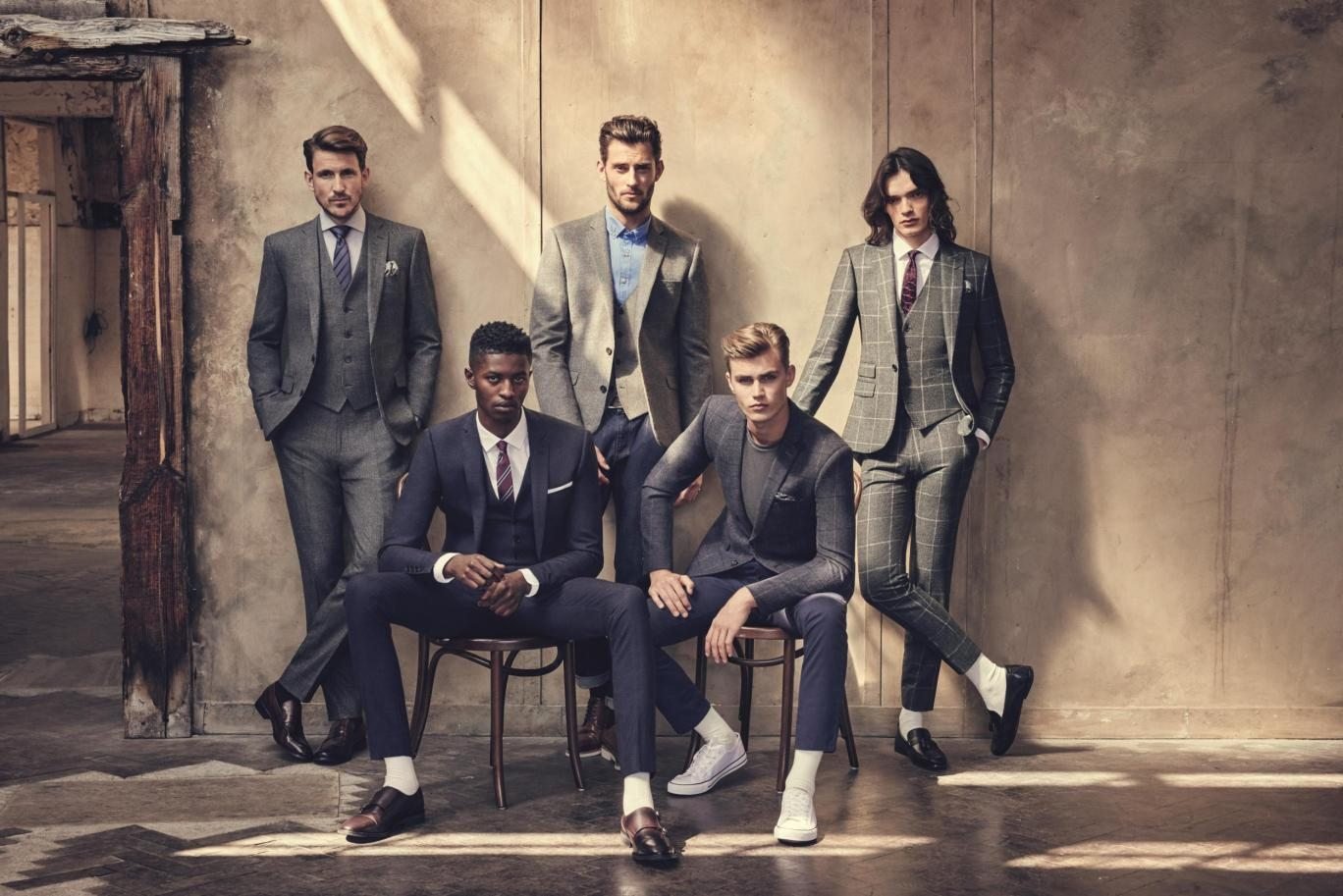
Classic Suit Style: Classic suits are known for their timeless appeal and enduring elegance. They feature traditional elements that have stood the test of time. Key characteristics of classic suit style include:
Classic suits are perfect for formal business settings, professional events, and traditional occasions where a polished and timeless appearance is desired.
Classic tailoring is built around balance, proportion and understated sophistication.
It is influenced by traditional European tailoring, where the objective is to create a clean silhouette that remains appropriate across different occasions and fashion cycles.
Common characteristics of classic suit styles include:
A classic navy business suit can accompany a gentleman through job interviews, board meetings, corporate presentations, formal dinners and many wedding celebrations.
It offers versatility without demanding attention.
For first-time suit buyers, classic tailoring is often a practical starting point because the design is less dependent on rapidly changing trends.
CUFFLAPEL STYLE NOTE
“Classic tailoring does not need to compete for attention. Its confidence comes from proportion, refinement and simplicity.”
Contemporary tailoring does not necessarily abandon classic craftsmanship.
Instead, it reinterprets familiar garments through modern proportions, unexpected materials and creative styling.
Popular contemporary suit styles may feature:
One of the most noticeable changes in contemporary suit fashion is how tailored clothing is styled.
A traditional suit may be paired with a crisp shirt, necktie and Oxford shoes.
A contemporary suit might be worn with a fine-knit polo, minimalist shirt or premium crew-neck T-shirt.
The result can remain sophisticated while appearing more relaxed.
This approach is particularly appealing to entrepreneurs, creative professionals, modern corporate teams and customers attending less formal celebrations.
CUFFLAPEL STYLE NOTE
“Contemporary tailoring is not about breaking every rule. It is about understanding which rules can be reinterpreted beautifully.”
| Design element | Classic suit | Contemporary suit |
|---|---|---|
| Shoulder | Structured or traditionally balanced | Soft, natural or fashion-forward |
| Jacket cutting | Regular or moderately shaped | Slim, relaxed or oversized |
| Lapel | Traditional notch or peak | Notch, peak, shawl or creative variations |
| Trousers | Straight or gently tapered | Tapered, cropped, relaxed or wide-leg |
| Colour | Navy, charcoal, grey, black | Olive, beige, burgundy, pastels and classics |
| Fabrics | Wool and traditional suiting blends | Wool blends, stretch, linen and textured materials |
| Styling | Dress shirt and formal shoes | Shirts, knitwear, polos or selected sneakers |
| Best suited for | Formal business and timeless occasions | Creative business and personal expression |
Neither approach guarantees a better-fitting suit.
Fit is determined by the relationship between the garment’s cutting, construction and the person wearing it.
At CuffLapel, we encourage customers to explore both directions rather than assuming that classic means outdated or contemporary means excessively fashionable.
Perhaps the most versatile design in men’s tailoring.
A two-button, single-breasted suit with notch lapels offers a clean, professional appearance.
Best for: Office wear, interviews, presentations, business travel and corporate events.
Recommended colours: Navy, charcoal and medium grey.
Double-breasted tailoring features overlapping jacket fronts and multiple buttons.
Its structured appearance can communicate confidence and sophistication.
Contemporary versions may introduce softer shoulders and more relaxed proportions.
Best for: Executive meetings, formal celebrations and fashion-conscious professionals.
Recommended colours: Navy, charcoal, cream and chocolate brown.
A three-piece suit combines a jacket, trousers and waistcoat.
It creates a polished, layered appearance and allows the waistcoat to remain visible when the jacket is removed.
Best for: Weddings, formal events and selected executive occasions.
Recommended colours: Charcoal, navy, grey and textured brown.
Relaxed suit styles feature softer constructions and comfortable silhouettes.
They are especially attractive to customers who prefer tailoring without a rigid formal appearance.
Best for: Creative offices, casual business meetings, fashion events and smart-casual celebrations.
Recommended fabrics: Lightweight wool, suitable linen blends and soft suiting materials.
The tuxedo is formal eveningwear, traditionally distinguished by satin or grosgrain facings and coordinated formal details.
Peak and shawl lapels are classic tuxedo choices.
Best for: Black-tie weddings, galas, award ceremonies and formal evening events.
A conventional business suit should not automatically be treated as equivalent to a tuxedo when an invitation specifies black tie.
A tropical suit is designed with attention to fabric weight, breathability and garment construction.
For Malaysia, this can be an especially useful alternative to heavier traditional materials.
Best for: Business travel, outdoor wedding events, daytime occasions and daily professional wear.
Recommended fabrics: Suitable tropical wool, wool-linen blends and selected lightweight suiting textiles.
A navy or charcoal two-button suit is often a dependable choice.
Combine it with a well-fitted shirt and appropriate formal shoes.
For less traditional industries, a softly constructed jacket and tailored trousers may offer a contemporary alternative.
A classic three-piece suit offers timeless sophistication.
For a more expressive celebration, explore a double-breasted jacket, textured fabric or carefully selected colour.
The groom should consider the wedding venue, dress code, photography and personal preferences.
A dark tailored suit with a refined shirt is suitable for many corporate dinners.
For formal black-tie events, select appropriate tuxedo attire.
For creative corporate celebrations, contemporary suit styles can introduce more colour and texture.
A restrained navy or charcoal suit generally communicates professionalism without drawing unnecessary attention.
Fit, cleanliness and suitable styling matter more than decorative details.
A lightweight, wrinkle-resistant suit with appropriate movement allowance may be more practical for frequent travellers.
Consider fabrics that retain a presentable appearance after sitting for extended periods.
A relaxed blazer with tailored trousers, a fine-knit polo or a clean T-shirt can create a fashionable appearance.
The result should feel intentional rather than like mismatched formal garments.
A suit may look extraordinary on a mannequin but appear completely different on the person wearing it.
This is because every gentleman has different physical proportions.
Broad Shoulders: A softer shoulder construction may prevent unnecessary bulk.
Narrow Shoulders: Appropriate shoulder shaping can help establish a balanced silhouette.
Fuller Abdomen: Jacket front balance, waist ease and button stance deserve careful consideration.
Athletic Build: Additional upper-arm or chest allowance may be necessary without creating excessive room at the waist.
Shorter Torso: Carefully considered jacket length and button position can help balance the overall appearance.
Tall or Slim Build: Lapel width, jacket length and trouser proportions should complement the individual’s frame.
No body shape requires one fixed suit design.
A good tailor considers the relationship between cutting, fabric and the customer’s preferred silhouette.
CUFFLAPEL FITTING PHILOSOPHY
“The right suit does not change who you are. It complements the proportions that make you individual.”
Different suit styles can be transformed by the material used.
A structured wool jacket looks different from a relaxed linen blazer, even when both follow similar patterns.
Suitable wool fabrics offer elegant drape and natural resilience.
Lightweight, open-weave constructions can also be considered for warmer environments.
Selected materials provide practical suiting options with different appearances, maintenance requirements and price points.
Ideal for customers who appreciate relaxed texture and a less formal appearance.
Creasing is a characteristic to consider when selecting linen.
Appropriate stretch fabrics can support comfort and movement.
However, good cutting remains essential; stretch alone cannot correct poor garment proportions.
Useful for business professionals seeking manageable maintenance, particularly during frequent travel.
Actual performance depends on composition and finishing.
For customers in Kuala Lumpur, Petaling Jaya and other warm locations, we recommend considering fabric weight, lining, construction and intended use together.
A lightweight fabric is not automatically breathable.
Similarly, an unstructured suit is not necessarily suitable for every formal occasion.
The goal is to select a material that balances comfort with the desired appearance.
At CuffLapel, we believe personalised tailoring should allow customers to explore different expressions of style.
Some gentlemen prefer a timeless business suit they can wear for years.
Others want a modern jacket with distinctive details and a fashionable silhouette.
A wedding customer might appreciate traditional elegance with a personalised touch.
A business professional may prefer comfortable, contemporary tailoring for everyday work.
Our tailoring services bring together personal measurements, selected fabrics and garment design options to help customers develop their preferred look.
Customers can consider appropriate options for:
Specific designs and upgrades depend on the confirmed tailoring package.
For customers interested in more adaptable fashion, the CuffLapel concept explores interchangeable lapel styling.
The idea is to provide another way of changing the appearance of selected compatible jackets without relying solely on a completely different suit.
Compatibility and available lapel options should be confirmed for the individual design.
CLASSIC IN CHARACTER. CONTEMPORARY IN EXPRESSION. PERSONAL IN EVERY DETAIL.
For customers developing a professional wardrobe, three carefully chosen suits can accommodate many different occasions.
Suit One — The Classic Navy
A versatile two-button suit suitable for business meetings, presentations and daytime formal occasions.
Suit Two — The Contemporary Charcoal
A modern silhouette with refined fabric and comfortable cutting, suitable for professional and smart-casual styling.
Suit Three — The Occasion Suit
Choose according to personal needs: a tuxedo for black-tie events, a three-piece suit for weddings, or a distinctive double-breasted design for formal celebrations.
The objective is not to own the largest number of suits.
It is to select suit styles that work across your actual lifestyle.
 Conclusion: Decoding classic and contemporary suit styles allows you to make informed choices when it comes to your wardrobe. Classic suits offer timeless elegance, while contemporary suits provide a modern twist on traditional suiting. By understanding the differences and considering the occasion, you can confidently select the perfect suit style that reflects your personality and ensures you look sharp and stylish on any occasion.